Power Where the Grid Ends: HQESS Mobile Charging Vehicle Supports Coastal Emergency-Response Exercise
How a 215 kWh mobile energy hub kept communications, drones and rescue equipment running on tidal flats with no grid access.
The emergency scenario
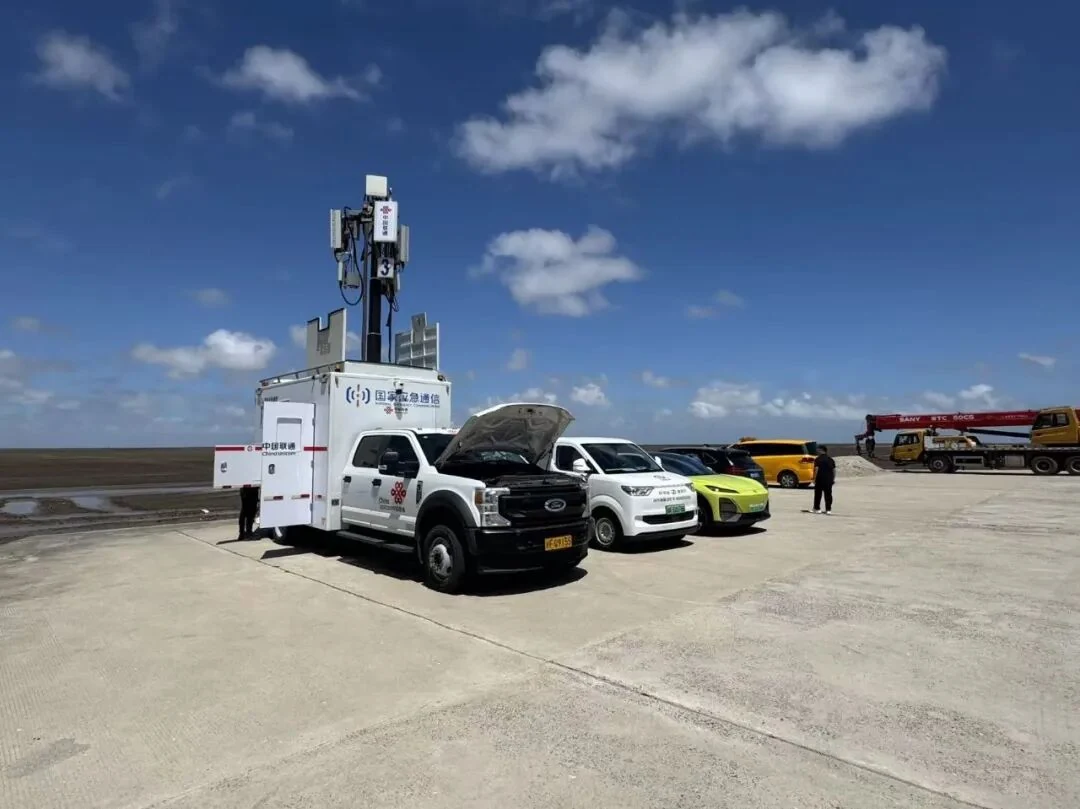
On 25–26 August 2026, HQESS joined a live exercise on coastal tidal flats with no grid connection. The scenario tested the response to lost communications, unavailable equipment and grounded drones.
A mobile power hub
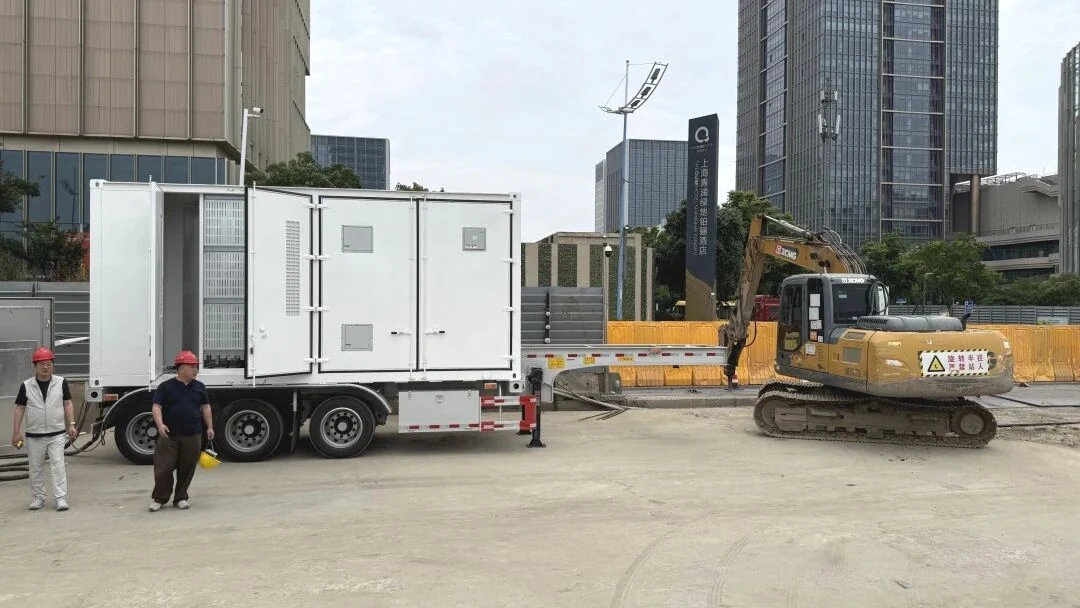
A 215 kWh mobile charging vehicle was deployed as the site power hub.
- Stable power for communications base stations
- Fast charging for search-and-rescue drones
- Power for emergency lighting, command systems and field equipment
The engineering behind it
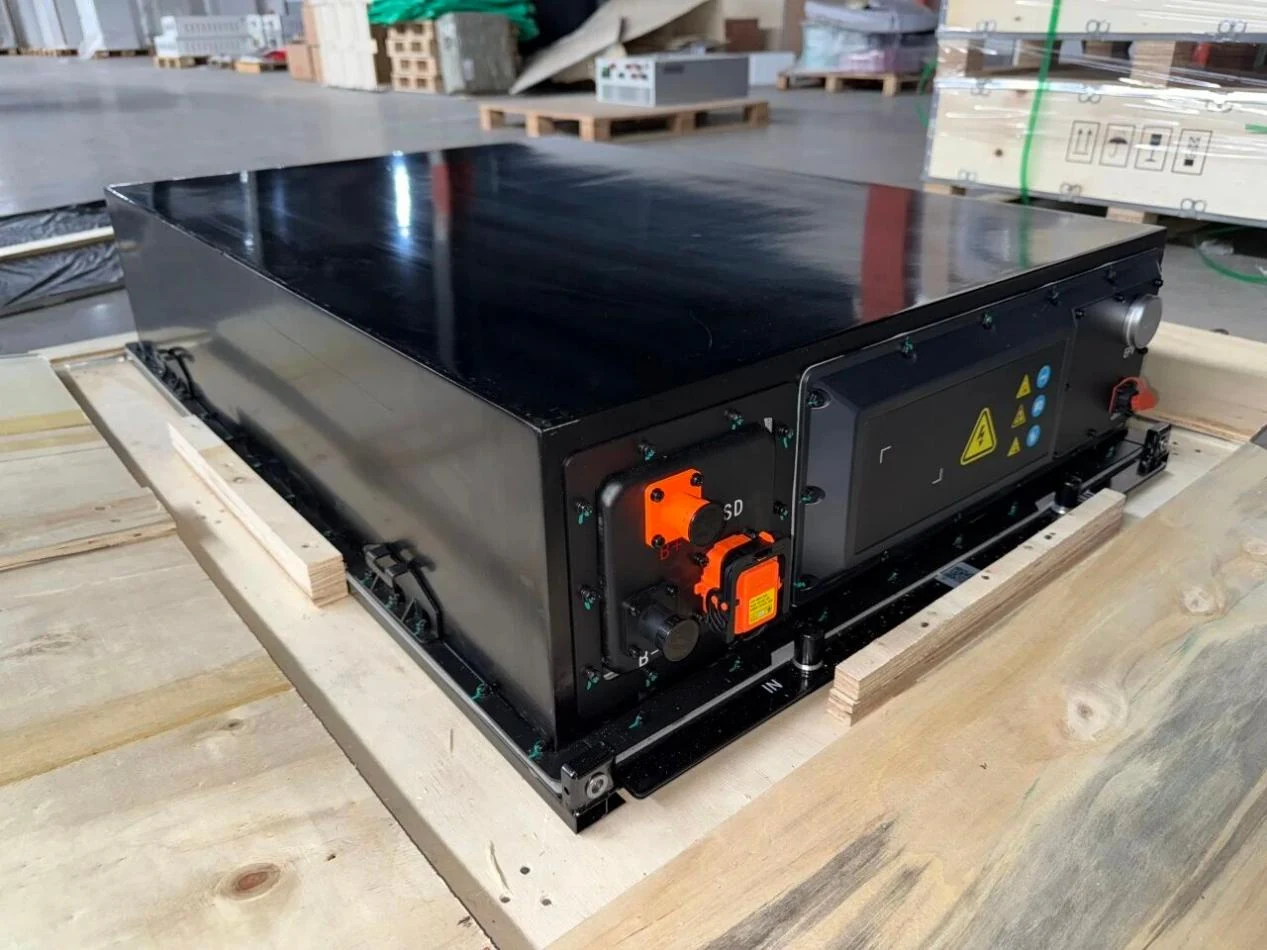
The unit combines BMS and EMS control with seamless grid and off-grid switching. If supply is lost or fluctuates, the system takes over without interrupting the base stations or drone charging.
Three operational advantages
- Mobility for tidal flats, wasteland and urban response sites
- Fast charging that reduces equipment downtime
- One platform for drones, vehicles, backup power and peak shaving
Smart operations
Integrated monitoring tracks remaining charge, output power and equipment state, supporting remote operation, metering and charging schedules.
Beyond the exercise
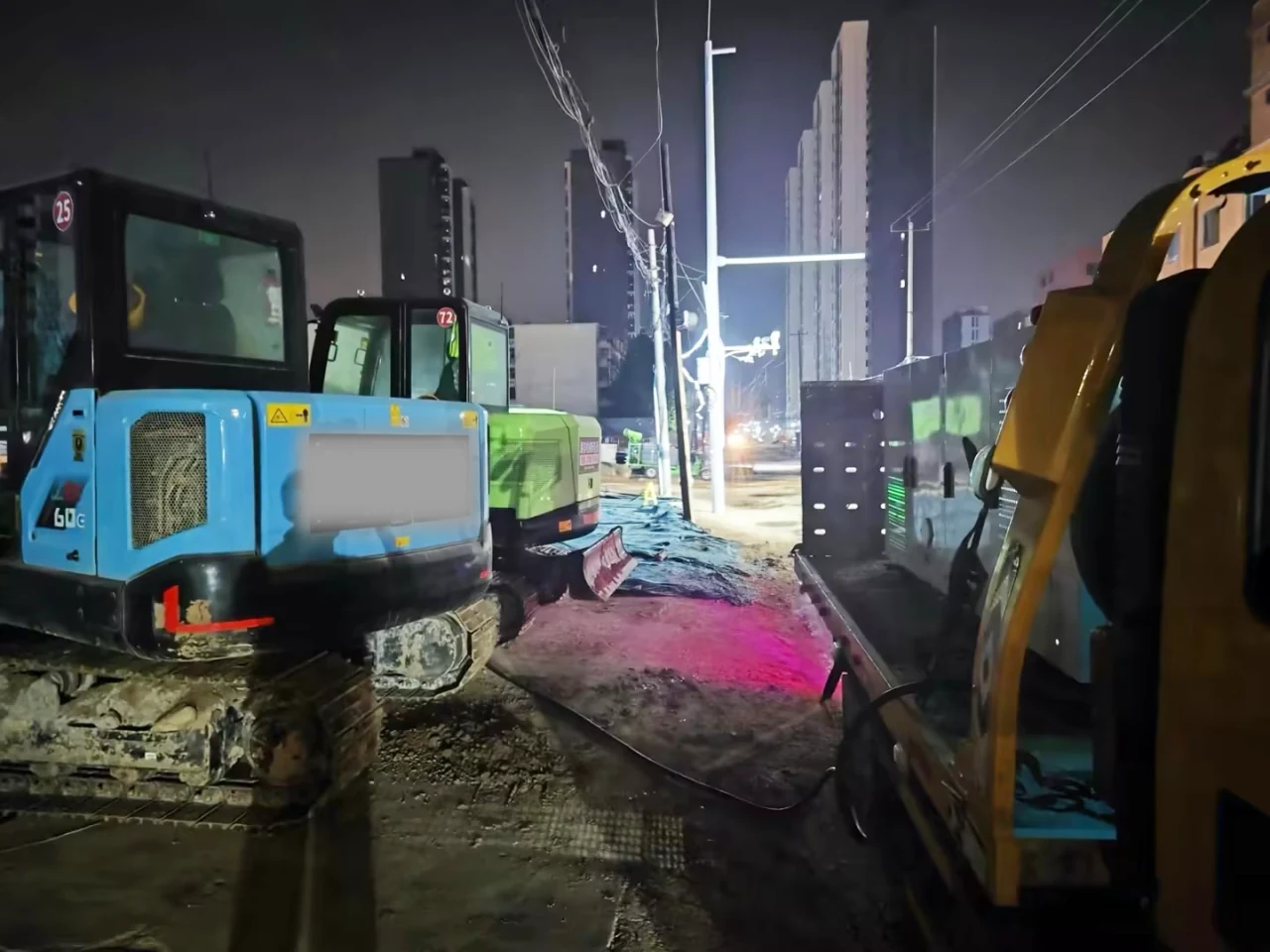
HQESS emergency-response units can combine power, satellite communications, drone survey, infrared search and environmental monitoring. A tracked, remotely controlled variant is intended for mud, rough terrain and other high-risk areas.
应急场景
2026 年 8 月 25 至 26 日,HQESS 参与沿海滩涂实战演练。现场无电网覆盖,演练重点验证通信中断、设备停机与无人机无法续航等风险下的应急保障能力。
移动能源中心
一台 215 kWh 移动充电车作为现场能源中心投入运行。
- 为通信基站提供稳定电力
- 为搜救无人机提供现场快速补能
- 覆盖应急照明、指挥系统及救援设备用电
系统能力
设备集成 BMS 与 EMS,并支持并网与离网无缝切换。外部供电中断或波动时,系统可快速接管,保障基站通信和无人机充电持续运行。
三项现场优势
- 可快速部署至滩涂、荒地与城市应急现场
- 快速补能,减少设备等待时间
- 兼顾无人机、车辆、应急备电与削峰应用
智能运营
集成监控模块实时查看剩余电量、输出功率和设备状态,并支持远程运维、计量与充电计划安排。
从演练走向复杂现场
HQESS 应急装备可整合供电、卫星通信、无人机勘察、红外搜索与环境监测能力。履带式、可远程控制的方案面向泥泞、崎岖地形及高风险区域。